Bump
1 Like
Fun Facts: Wolves
Wolves are one of the most misunderstood animals in the world. In truth, most researchers who are interested in wolves learn new information each year. There are two places in America where you can observe wolves in their natural habitat which is the Arctic and Yosemite park. Now there is a Wolf tour conservation in Colorado which has helped immensely with the getting to know the wolves. Though we have yet to know everything about wolves even in this day in age. They use digital trackers to get an idea of how the wolves migrate in between their territories.
Known Distinct Species & Unknown Species
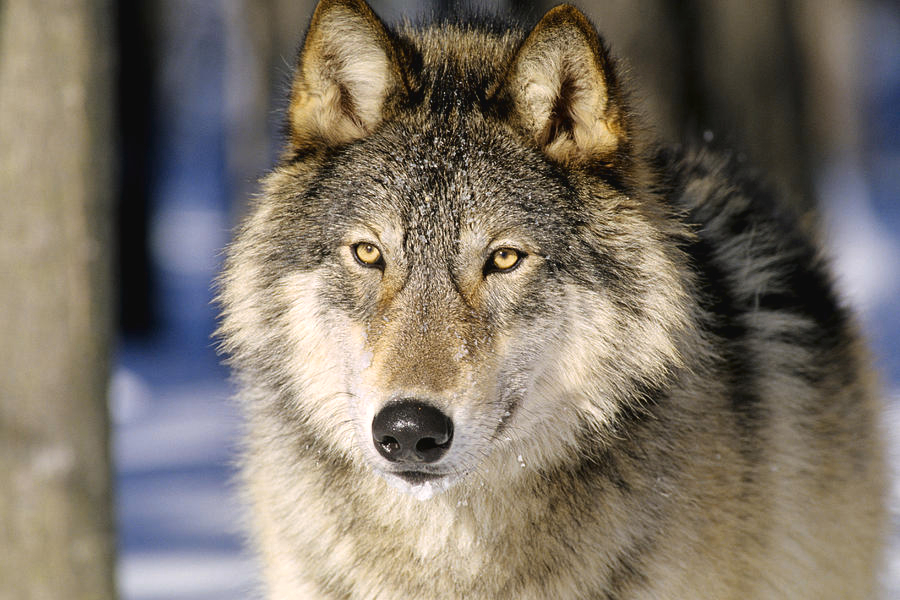
As stated above in the main post, there are two distinct species of wolves that are known. Those two species are the Gray Wolf(Canis lupus) and Red Wolf (Canis rufus) though there is still speculation that there might be four total distinct species of wolves. For instance, the Ethiopian Wolf/Abyssinian wolf might not be a true wolf. They believe that the wolf is actually closer to the jackal species. The Timber Wolf (Canis lupus lycaon) also known as the Eastern Wolf might be a separate distinct species instead of a subspecies. So, it’s Latin name would be Canis lycaon if this is proven to be the truth. They have broken down the different genetics between the wolves at a molecular level. More research will bring answers in the future.
Timber Wolf which is the biggest species of wolves.
What is a Wolf Pack?
A wolf pack is a family of wolves that consist of the two adult wolves and their offspring. The offspring are usually pups to younger wolves that can be up to 2 years old or even older. The terms for the parents use to be the alpha male and alpha female but the research community has dropped these terms by “breeding male”, “breeding female”, and “parents” now.
Pack Sizes & Largest Packs
Most packs are fluid meaning that wolves will have more pups, mortality instances can happen, or even packs disperse sometimes. In the wild most packs only consist of 2-8 wolves but there have been bigger packs that have 12 wolves in them as well. It’s not a normal occurrence though since it usually means that the wolves have to find more food when prey is scarce. Now, up in Alaska and Canada, there have been packs up to 30 wolves which is very rare. Yosemite has a pack that has 20 wolves in it which run around the park. Yosemite is a conservation park for wild animals to live plus researchers to document the animals in that area.
Breeding Seasons
Wolves breed at different times depending where they live. Most of the time wolves breed once a year usually during winter to early spring. Gray wolves in the Great Lakes breed from February to March, while gray wolves in the arctic breed from March to April. Red wolves usually breed from late January to early February.
Wolf Pups & Their Birthing
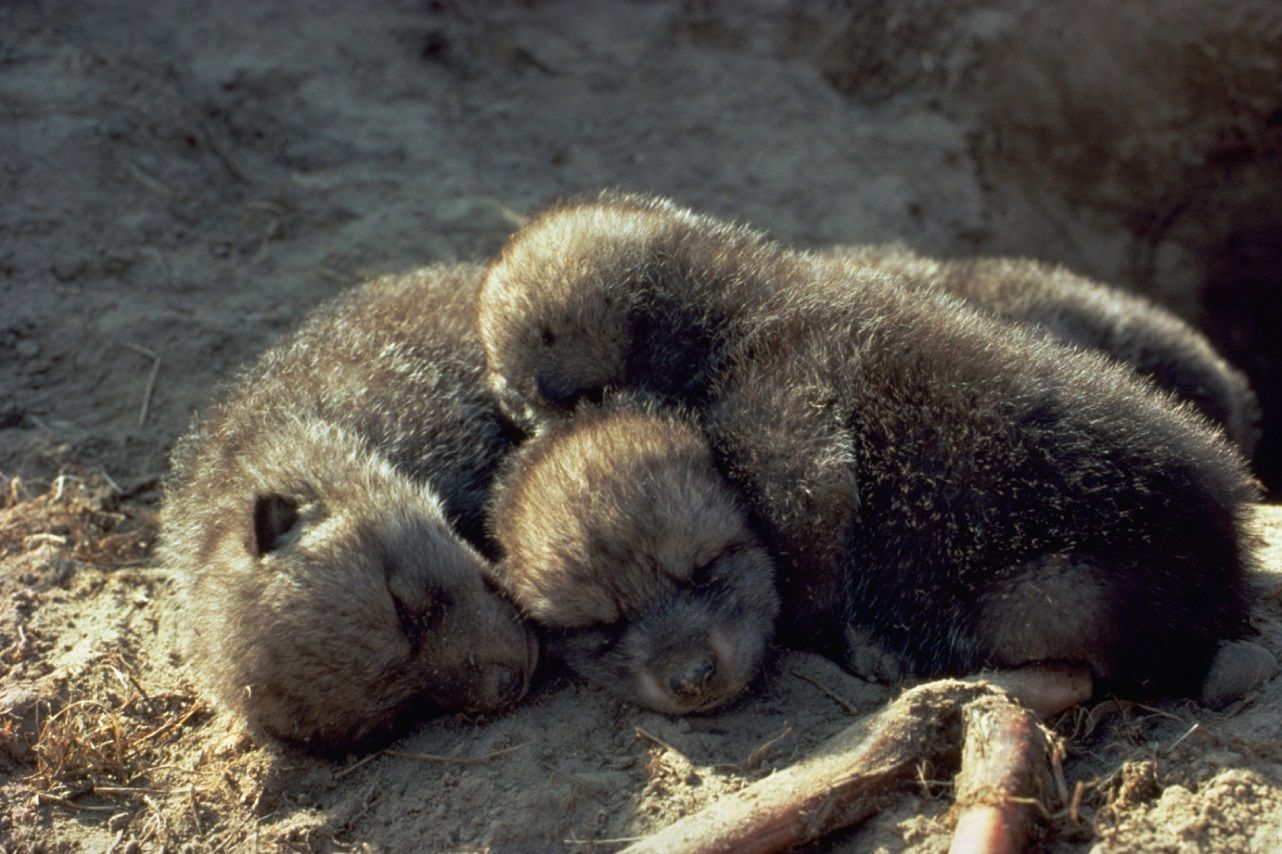
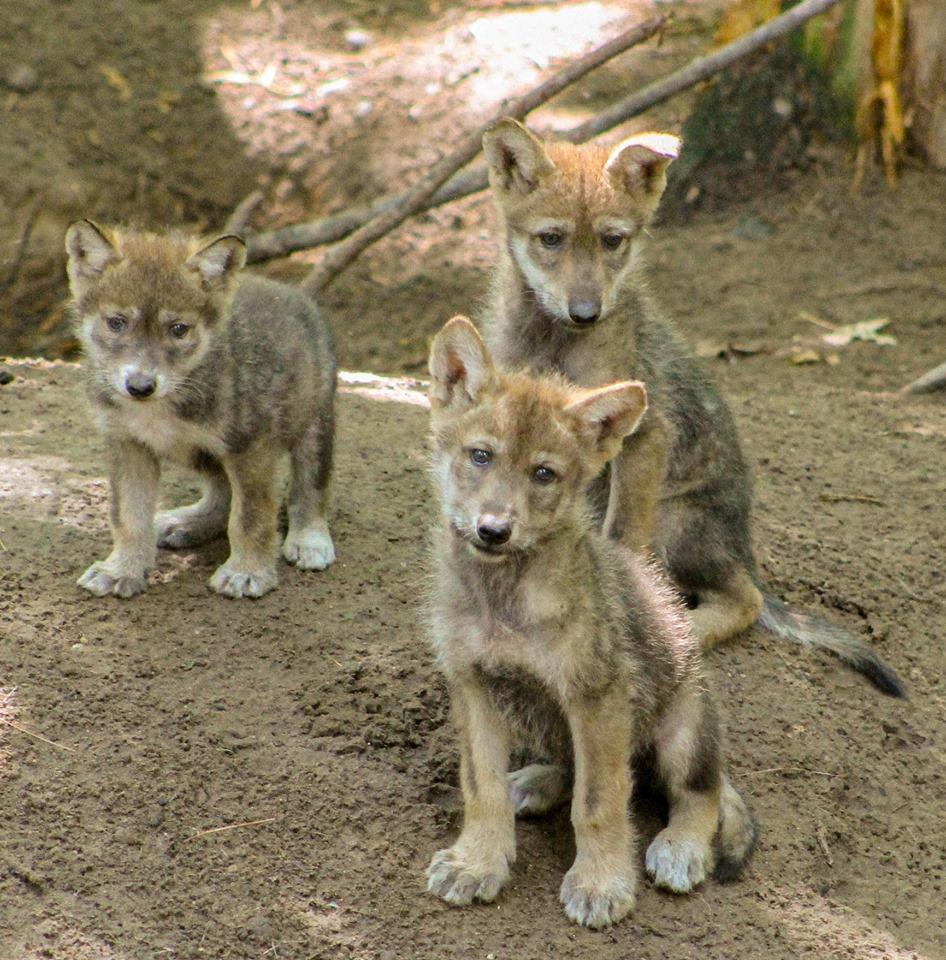
Most of the time one female wolf will give birth during a pack but there is a chance for more than one female to get pregnant. Most of the time the average litter size is 4-6 pups but more than 6 pups can happen. Though wolf pups have a tough time surviving during the harsh life of being in the wild. Almost or even all the pups could die depending on what obstacles the packs run into whether that be not enough food, predators, or even disease could happen. Those who survive are usually the stronger pups from the litter. Most pup wolves of both gray and red wolves usually weigh a pound when firstborn. They have to rely on their mother in order to survive for the first few weeks due to the fact they are born blind and deaf. By week two their eyes will be open and by week three they are old enough to leave the den to explore with their mother. Wolves grow rapidly which means a sixth-month-old wolf pup is about the size of an adult wolf.
Newborn Wolves
Wolf Pups
Wolves Appetite
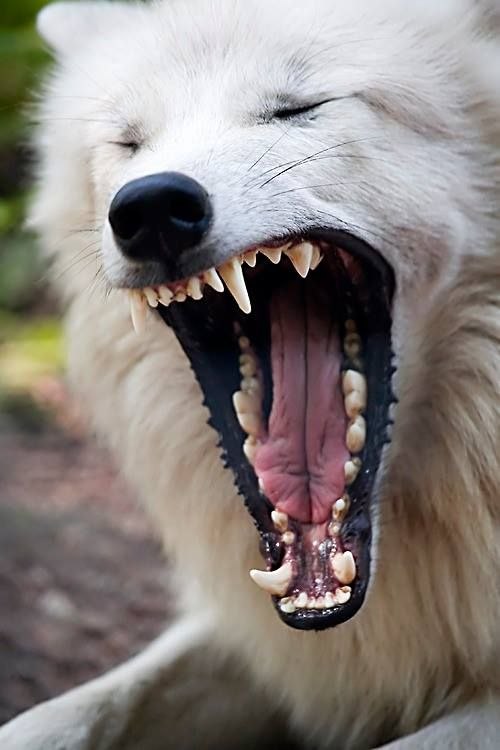
Wolves are carnivores who eat mostly on hoofed animals. They will also go after medium-size mammals as well such as beavers, snow hares, and other animals that size as a secondary food supply. They will occasionally feed on small mammals such as mice, voles for small meals but generally, they need more meat. The top one on their list of prey is livestock which there many stories all around the world where wolves threaten farmers’ livelihood by attacking their livestock. This is a big issue in Russia even to this day an age. Grown adult wolves have 42 specialized teeth in their mouths while most humans have only 32 teeth in their mouths. Wolfs’ teeth can be up to 2 1/2 inches long which they are used for puncturing and gripping onto their prey. The incisors are for nipping small pieces of meat while the carnaissial teeth are sharp as scissors and knives. They use those teeth to sheer meat off the bone while they use their molars for crushing and grinding when eating. The biting capacity of a wolf is 398 pounds of pressure per square inch. The force of their bite makes it easier for wolves to bite through a mooses femur to reach the bone marrow. Here are some comparisons that give you a better understanding of how strong their bites are. A normal dog bite has a biting pressure of 320 pounds per square inch while humans have a much lower pressure of biting at 120 pounds per square inch.
Front Set of teeth on a wolf skeleton.
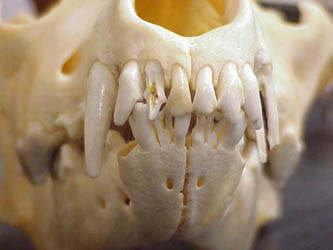
Side Set of teeth on a wolf skeleton.
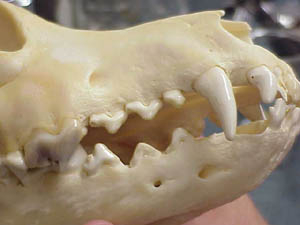
Close-up of a wolf’s teeth.
3 Likes
oh my god the baby wolves look so cute 
3 Likes
I know right!
2 Likes
The puppies 
2 Likes
They really are soooo cute
2 Likes
I-
1 Like
I love wolves!
1 Like
Lol cool! I’m making the last post for wolves tonight.
1 Like
I sent in some animals!
1 Like
Thank you!
1 Like
Of course!
1 Like
i sent in some animals!
1 Like
Thank you!
2 Likes
Hi! How’s this doing?
2 Likes
Oof right, I’ve been meaning to get back to this. I’ll try to get the polls going tomorrow.
2 Likes
Hiiii
2 Likes
Hi, thanks for the reminder!
2 Likes
Yep! I remember you said you’d do it.
2 Likes
Yeah, yesterday ended up busy for me.
1 Like