Aww! Why are they so gosh darn cute?
HAHAHA…
They are cute
Aww! Why are they so gosh darn cute?
HAHAHA…
They are cute
Lol yes!
Fun Fact: Giant Panda
Panda’s are bigger than your average Teddy bear even if they do resemble a teddy bear. They can get well over a hundred pounds and up to almost 5 feet tall.
Giant Panda’s are great climbers and swimmers. By the age of 7 months, they can climb up a tree. They can also swim like any other species of bears.
Panda’s coats change from birth to almost a month old. As stated before, they are born furless pink and blind babies. You could even say they resemble a baby badger during their first few weeks. Not all Panda’s grow a black and white coat. There are some that grow a brown and white coat as well but they are rare occurrences amongst the panda populations.
Pandas are super lazy bear species. Most zoos and conservations tell people to come early if they want to see the pandas being active. Most Panda’s eat for 14 hours a day then sleep the rest of the time.
Pandas can eat up 12-38 kilos of bamboo. For those who use pounds that is 26-83 pounds. Bamboo makes up 99% of a pandas diet every day.
Pandas have carnivorous teeth but they only eat bamboo and fruit.
Pandas are solitary animals. Panda families don’t actually live together because they love being alone. Most males live alone until the mating season comes around then they compete for mates. Females raise the cubs on their own after the mating season has ended the cubs are born.
Pandas do not hibernate. They are the one species of bear that does not hibernate during winter. Instead, they move down to where the weather is getting warm. Since they do not have a winter coat due to their diet.
Prehistoric Pandas lived 2 million years ago. Their fossils have been dated back as far as 1-2 million years ago. They covered all of China but not they only live in a secluded area of the Tibetan foothills.
Pandas have 6 toes in order to grasp the bamboo. The extra digit is on their forepaws. The point for theses extra toes is to hold the bamboo in a certain way. So, that they can eat it better.
Should we do the next polls?
Panda 
Yep! The picture was too adorable to not post.
Better than the rat fetus
Lol you really did not like that picture!
No 
So the voting for continuing on to the next animal was a landslide. On to the polls now!
What animal would you like to go over for the second animal?
 this still happening 'cause I thought this was a cool thread
Yes, this is still happening. I’m working on the next animal today. Sorry for the delay!
Is all good, I was just wondering aha
Second Animal of the Week:
Wolves
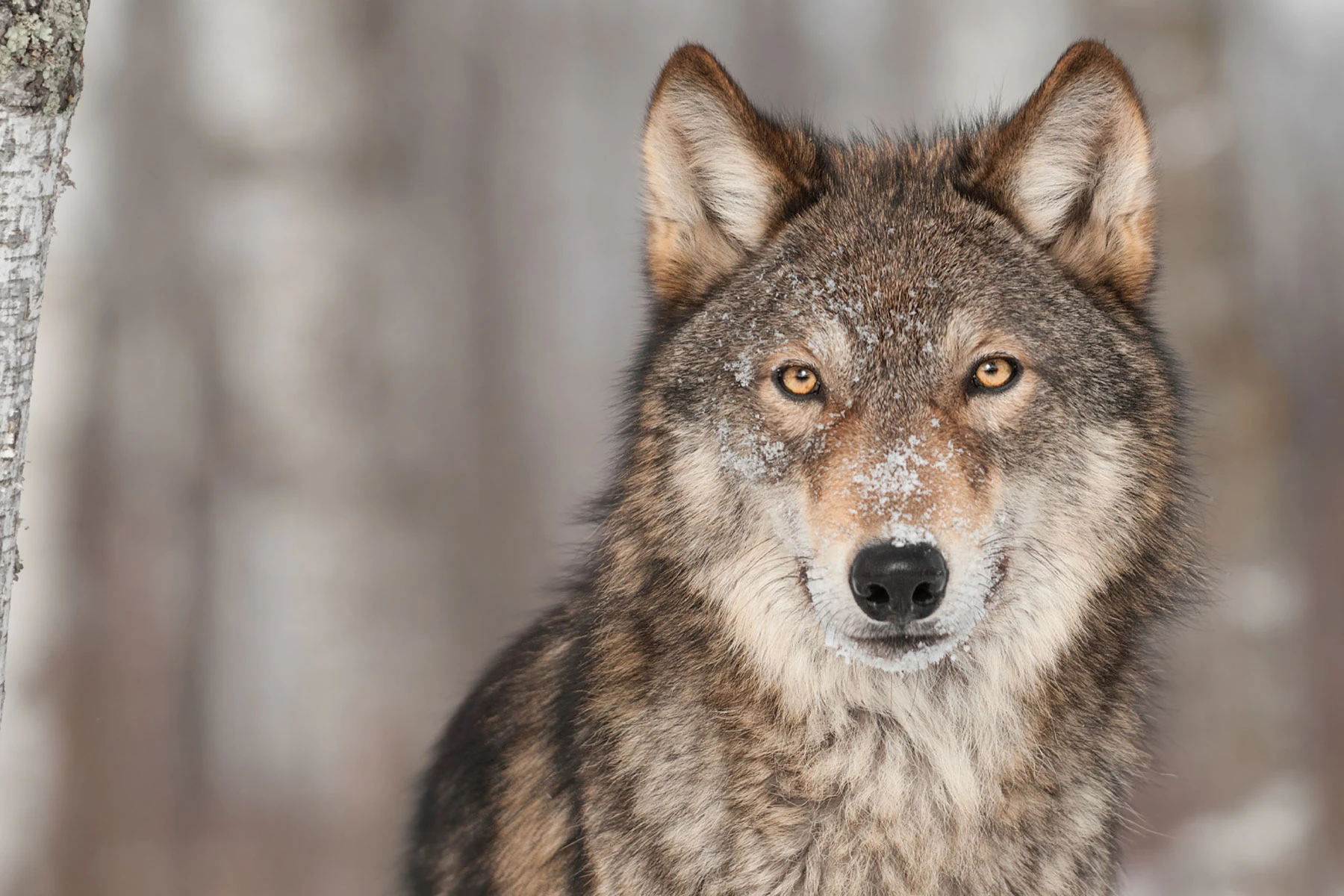
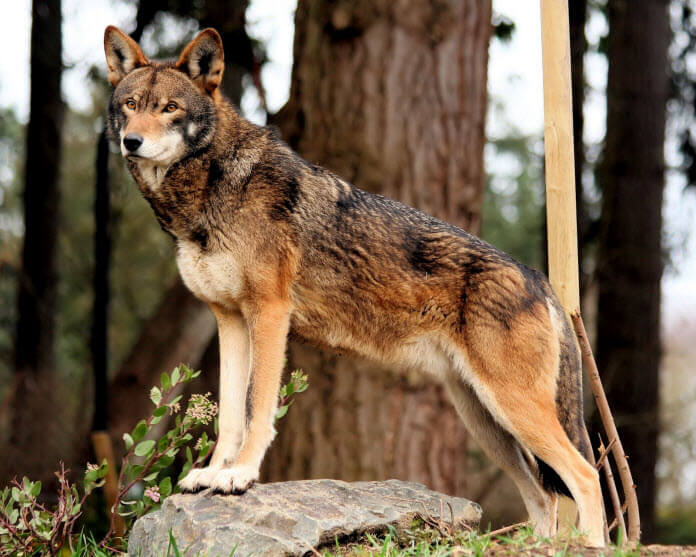
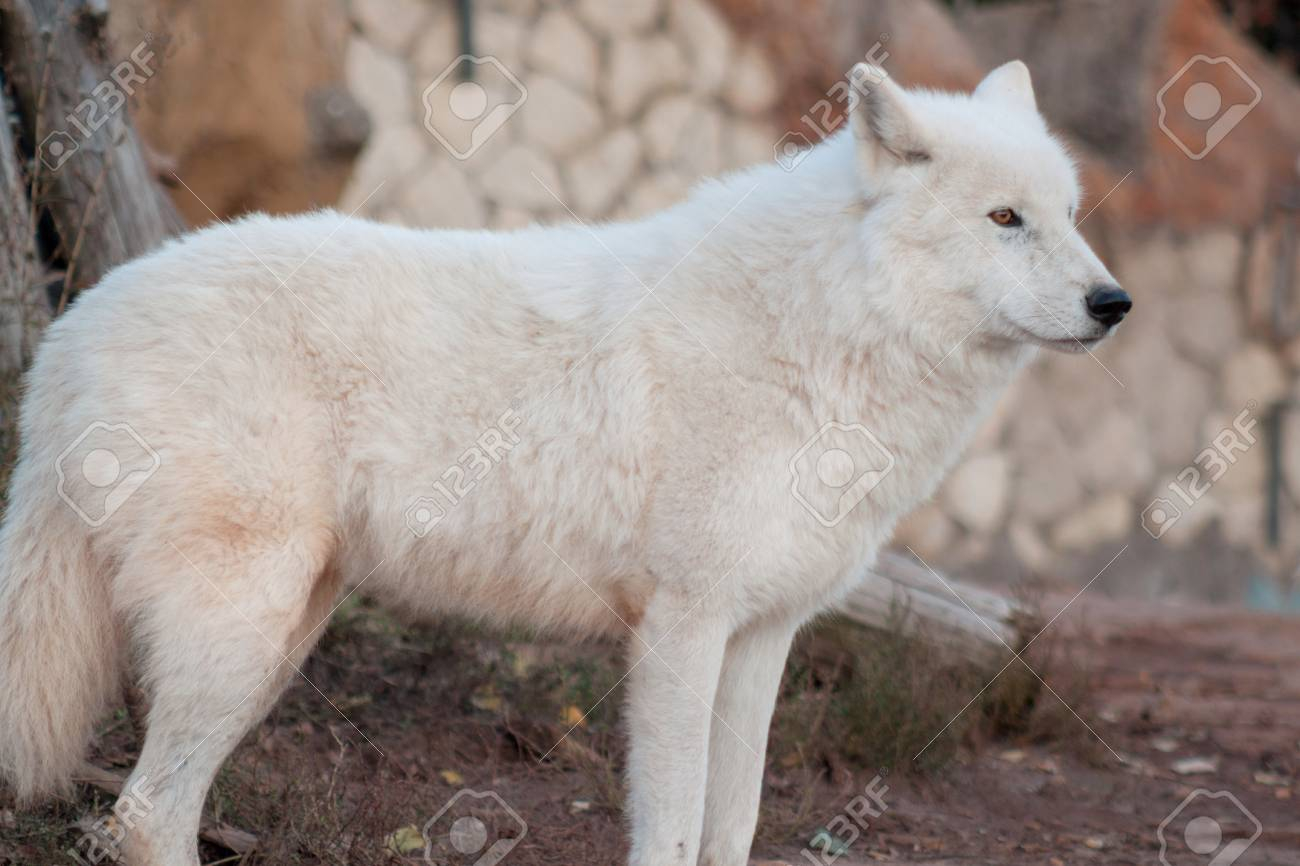
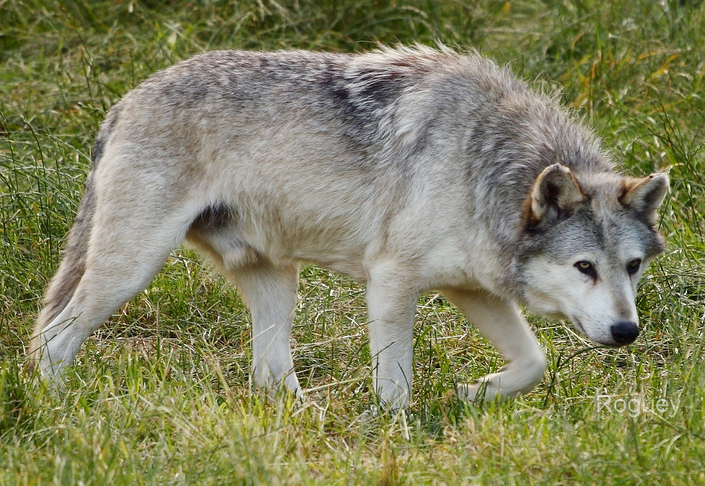
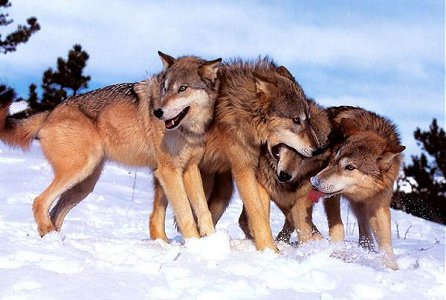
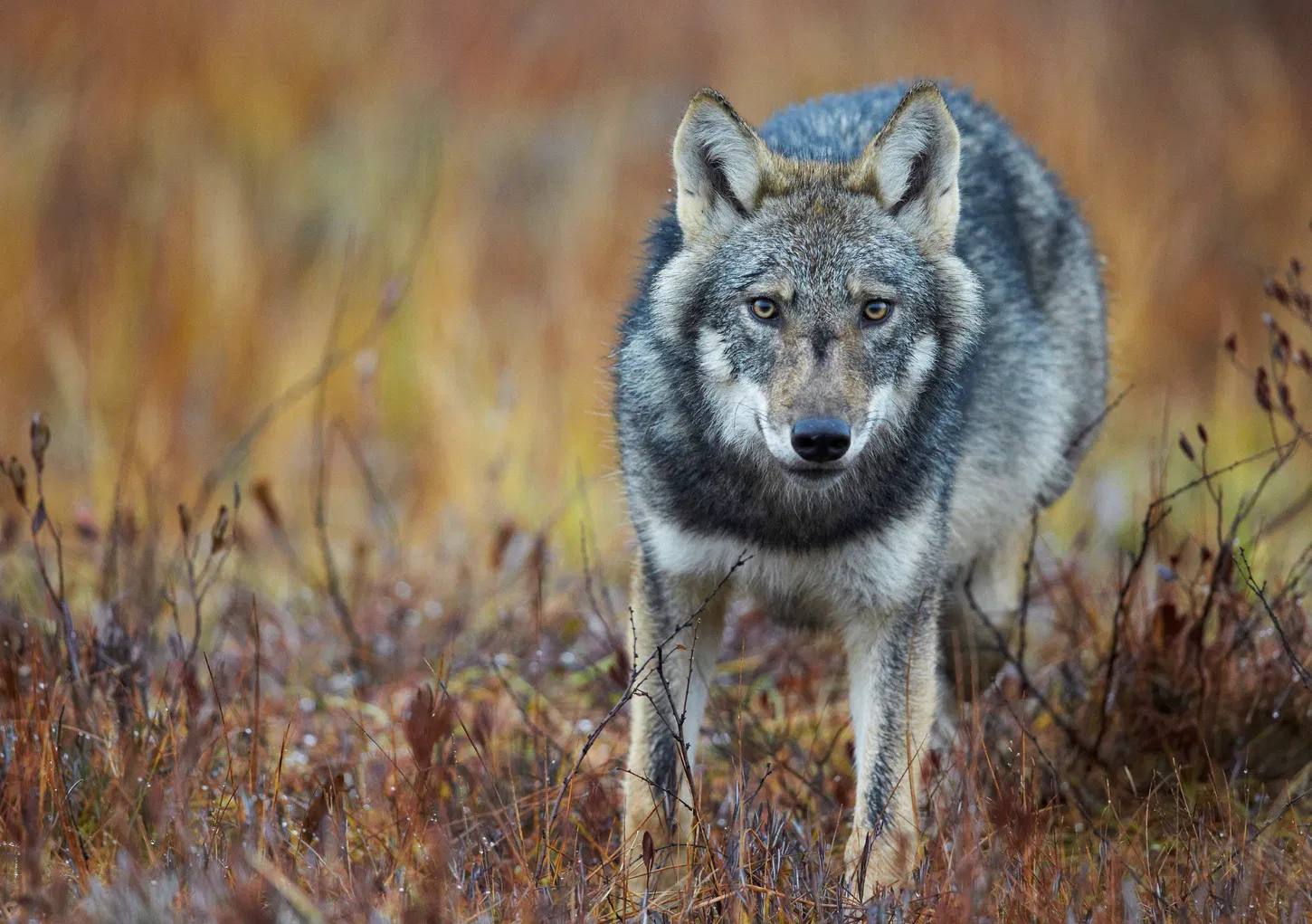
There are two distinct species of wolves which are the Gray Wolf (Canis Lupus) and the Red Wolf (Canis Rufus). The Red Wolf is on the critically endangered species list with only about 100 wolves of the species which live in a small coastal part of North Carolina.
Gray Wolf
Red Wolf
Wolves in Africa
The Golden Jackal along with the Ethiopian Wolf part of a small population in both Ethiopia and Eygpt. The Golden Jackal which is the subspecies of the Gray Wolves is called Canis aureus was recently found to be part of the wolf species. The Ethiopian Wolf is actually a Jackal called Canis simensis.
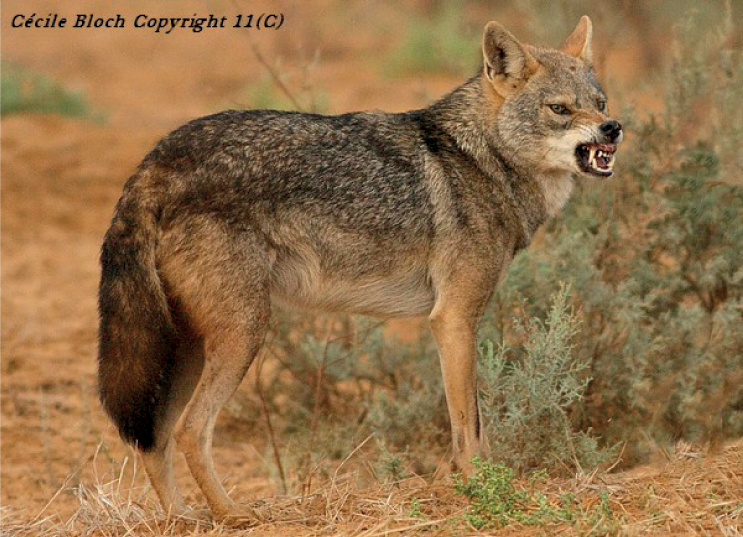
Egyptian Wolf
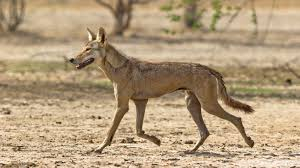
The Egyptian Wolf Latin name is Canis lupus lupaster which is one of the most elusive wolf species on the planet. Since this species is so hard to find there is no knowledge of how many wolves there are in the wild. This species was actually thought to be extinct until recent sightings of the wolves were spotted. Most call this wolf a Golden Jackal for it’s golden like fur but with new data, they learned the Egyptian Wolf was a subspecies of the Gray Wolf. The Wolf has a multitude of different types of habitats over different lands. Though the Eygptian habitat is supposed to be near the Nile Delta’s savannah ecoregion.
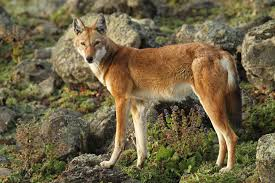
Ethiopian Wolf
The Ethiopian Wolf goes by many different names such as Abyssinian Wolf, ky kebero (Amharic for “red jackal”, jedalla farda (Oromo), and lastly the Simien Jackal.
Wildlife Status: Endangered
Population: 440 in the Wild
Scientific Name: Canis simensis
Habitat: Afro-alpine grasslands and Heathlands
The Ethiopian wolf which was once thought to be a species of jackal is a medium-sized wolf with a reddish coat that has distinctive white markings throughout the body. The wolf also has black markings on its tail while its body has long legs with an elongated muzzle. The wolf is very similar to how a coyote would look like. The white markings actually increases with age and social ranking amongst both sexes. Males are 20% larger than females with a weight of 14.2-19.3 kg (31.3-42.3 lbs) as females weigh in at 11.2-14.5 kg (25-32 lbs). Unlike most wolf species the Ethiopian Wolf are known livestock killers but they are not as dangerous compared to hyenas and jackals that live in the area. This species usually mate 70% of the time outside of their own pack in the wild. They were placed under the protection of critically endangered species do to many being killed, hunt, and displaced from their natural home.
Wolves of Asia
(I will be going over this broadly because of how many species are in this part of the world.)
The main species of wolves that live in Asia are subspecies of the Gray Wolves. There are about six different species that spread across the six regions of Asia. They are slightly depleting in numbers near the southern and western sections of Asia. Here are the six wolf species of Asia.
Overall of all Six Species
Common Name: Gray Wolf
Latin Name: Canis lupus
Population: About 85,000-105,000 in the wild
Population Trend: Stable
Legal Protection: None
First Wolf
Common Name: Tundra Wolf
Latin Name: Canis lupus albus
Other Names: Turukhan Wolf
Habitat: Most Tundra lands, Large Canopy Forest, Tundra Forest
Unique Behavior: Later mating time from other species of wolves. Late March through April.
Population: Unknown
The Tundra Wolf can be found throughout Northern Europe and Asia from Northern Finland to the Kamchatka Peninsula, from the far north in Russia to the Arctic. They tend to hunt a multitude of different prey such as reindeers, wolverines, hares, arctic foxes, and much more prey.
Second Wolf
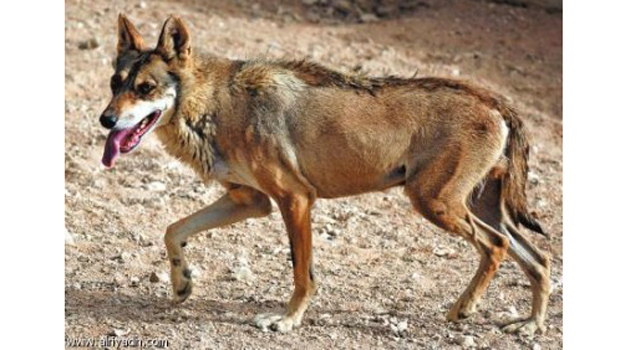
Common Name: Arabian Wolf
Latin Name: Canis lupus arabs
Other Names: Desert Wolf
Population: Unknown
Habitat: Desert, Sand Dunes, Gravel plains, and Rocky Hills
Unique Fact: The Arabian Wolf are Omnivores.
The Arabian Wolf tends to range between Small pockets in southern Israel (Negev desert), southern and western Iraq, Oman, Yemen, Jordan, Saudi Arabia, and some parts of the Sinai Peninsula in Egypt. They are a small stature wolf that has adapted to life in the Desert. They tend to feast on Arabian gazelles, white oryx, ibexes, Nubian Ibex, and much more prey in its territory.
Third Wolf
Common Name: Russian Wolf
Latin Name: Canis lupus communis
Current Population: 30,000-40,000
Status: Stable and Increasing
Legal Protection: None Needed
The Russian Wolf population is the largest grey wolf population in the whole world. The Russian population often competes with the Canada population for biggest in the world. There is actually six subspecies that make of the Russian Wolf populations. Main prey for Russian Wolf is ungulates and livestock. If anyone was wondering what ungulates means it’s a broad term for hoofed animals. Russia has not have a warm handling of the Russian Wolves due to the fact that they were known to steal food from starving cities in Russia. There were times where humans hunted down wolves because of this reason. There is a law in Russia that allows humans to shoot a wolf on sight if they are not in a Reserve. Grant it, the wolf population is still on of the highest populations so this law has put a dent in their growth. Russia is similar to Canada and Alaska when it comes to wolves they have to go a huge distance to find food. In truth, most Russians actually hate the wolves especially farmers. I’m going to post a link to about an instance of where a wolf had to be killed because it kept terrorizing the villages in Russia. Also, it explains the dangers that wild wolves do actually impose on people if forced to enter populated areas. Remember they are still wild animals who should be give space and caution if you see one.
https://www.ladbible.com/news/animals-huge-wolf-killed-as-large-packs-terrorise-russian-village-20200312
Fourth Wolf
Common Name: Caspian Sea Wolf & Steppe Wolf
Latin Name: Canis lupus campestris & Canis lupis cubanensis
Current Population: Unknown
Status: Critically Endangered
The Caspian Sea Wolf is a middle sized wolf that lives in the southwestern portion of Russian that borders the northern half of the Caspian Sea, Kazakhstan. They originally Native to the Caspian steppes, the steppe regions of the Caucasus, the lower Volga region, southern Kazakhstan north to the middle of the Emba, the northern Urals, and the steppe regions of the lower European part of the former Soviet Union. It may also have occured in northern Afghanistan and Iran and occasionally the steppe regions of Romania and Hungary. They tend to roam in temperate grasslands, savannas, and shrublands. These wolves have been documented to kill Caspian Seals from the Caspian Sea. They are also a danger to the Saiga Antelope in their area. Sadly. this wolf was hunted for being a nuisance to the public but they have now been added to the Mongolian Red List Animals which is a list of endangered animals and conversations in those parts of the world.
Fifth Wolf
Common Name: Eurasian Wolf & Common Wolf
Latin Name: Canis lupus lupus
Current Population: Unknown possibly over 100,000 wolves
Status: Stable
The Eurasian Wolf is the largest species of the Old World Wolves which weighs between 150 lbs to 180 lbs. Pretty much this wolf outweighs me by 20 pounds on the lower scale. They currently cover the countries of Russia. Central, Eastern, and Northern Europe. Scandinavia, Mongolia, China, and the Himalayas. They use to cover the whole Eurasian continent. Their favorite environments are forest, tundra, Eurasian Taiga (Boreal Forest), dessert, plains, steppe, and mountains. They usually prey on a large variety of animals some of them are moose, Red Deer, Wild Boar, Sheep, Racoon Dog, and Wolverines.
Sixth & Last Wolf
Common Name: Indian Wolf & Iranian Wolf
Latin Name: Canis lupus pallipes
Population: Unknown but roughly over 2,000-3,000 wolves
Status: Endangered
Legal: Placed in Conservation territories to increase population
The Indian wolf is a thin lanky wolf that lives across the Holy Land to the Indian Subcontinent including, India, Nepal, Iran, Israel, Lebanon, Pakistan, Saudi Arabia, Turkey, Syria, Afghanistan. and Bhutan. Since they are mostly in the wild it is hard to keep up with the exact number of Indian Wolves in the wild. They tend to roam thorn forests, scrub-lands, arid and semi-arid grassland habitats, and agro-pastoral regions of semi-arid India. They usually prey on a variety of antelope, gazelles, livestock, rodents, and rabbits.
This is all for the first post about wolves! I will be making three more posts to make up for the lost time! We are back on schedule now!
Ooh they look awesome
Yep, they are amazing! It’'s why I love them!
@unsungcheerio hey I finally made the post!
HAHA yay!!
Wolves be so cute  and terribly vicious but also adorable as heck
Yep, they really can be! Most wolves are between 2-3 feet tall. It’s different seeing pictures and videos then it is to see an actual wolf up close.
Oh that’s a lot larger then I’d thought. I think. Idk i hadn’t really thought about their actual height beforehand haha
Have you seen an actual wolf up close?
Yep, they are much bigger than the average dog. Yes, in a Zoo along time ago. I think it was a critically endangered species at the time.